
We are on a mission to save wild tigers and Amur leopards for future generations by raising awareness and funding carefully chosen conservation projects. We support locally appropriate programs that address key conservation issues through anti-poaching activities, population monitoring, wildlife health monitoring, conflict mitigation, education & outreach and capacity building.
Tails from the wild
Join us as we delve into topical issues affecting the preservation of wild tigers in our brand new podcast. In each episode, we meet with experts working on the front line to save wild tigers and take a deeper dive into the threats and solutions they face on their quest to protect tigers and their habitats.
Hosted by WildCats science communicator, Amy van Gelder, this podcast can be found wherever you get your podcasts from. Make sure to subscribe to WildCats Pawcast so that you don’t miss an episode.
How you can help
FUNDRIASE FOR US
Want to fundraise for tigers and Amur leopards, but not sure where to start? WildCats has you covered…
MAKE A DONATION
We channel 100% of donations we receive directly to conservation projects that protect wild tigers and Amur leopards.
Donate today
VISIT OUR ROAR STORE
Fierce clothing that gives wild tigers and Amur leopards a future.
Go shopping
Latest news and views
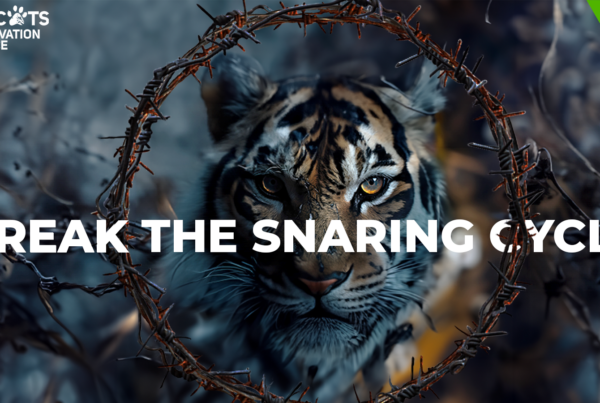
Saving Big Cats: Breaking the Snaring Cycle
Snares, often targeting prey species like deer and wild boar, are indiscriminate traps causing immense…
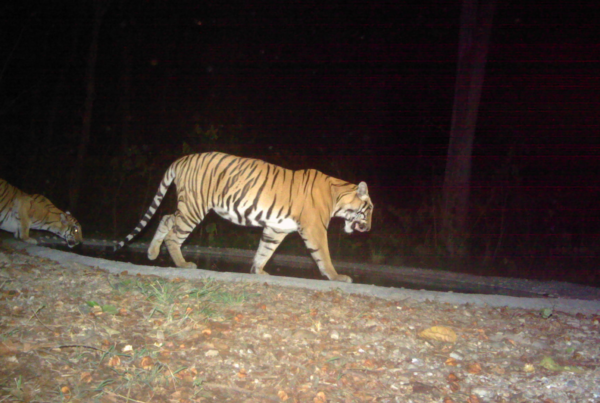
Watering the Future: Sustaining Nepal’s Majestic Tigers on World Water Day
Nepal's tiger population has nearly tripled since 2010, reaching 355, with Parsa National Park hosting…